Everything you need to know about South Sea Pearls
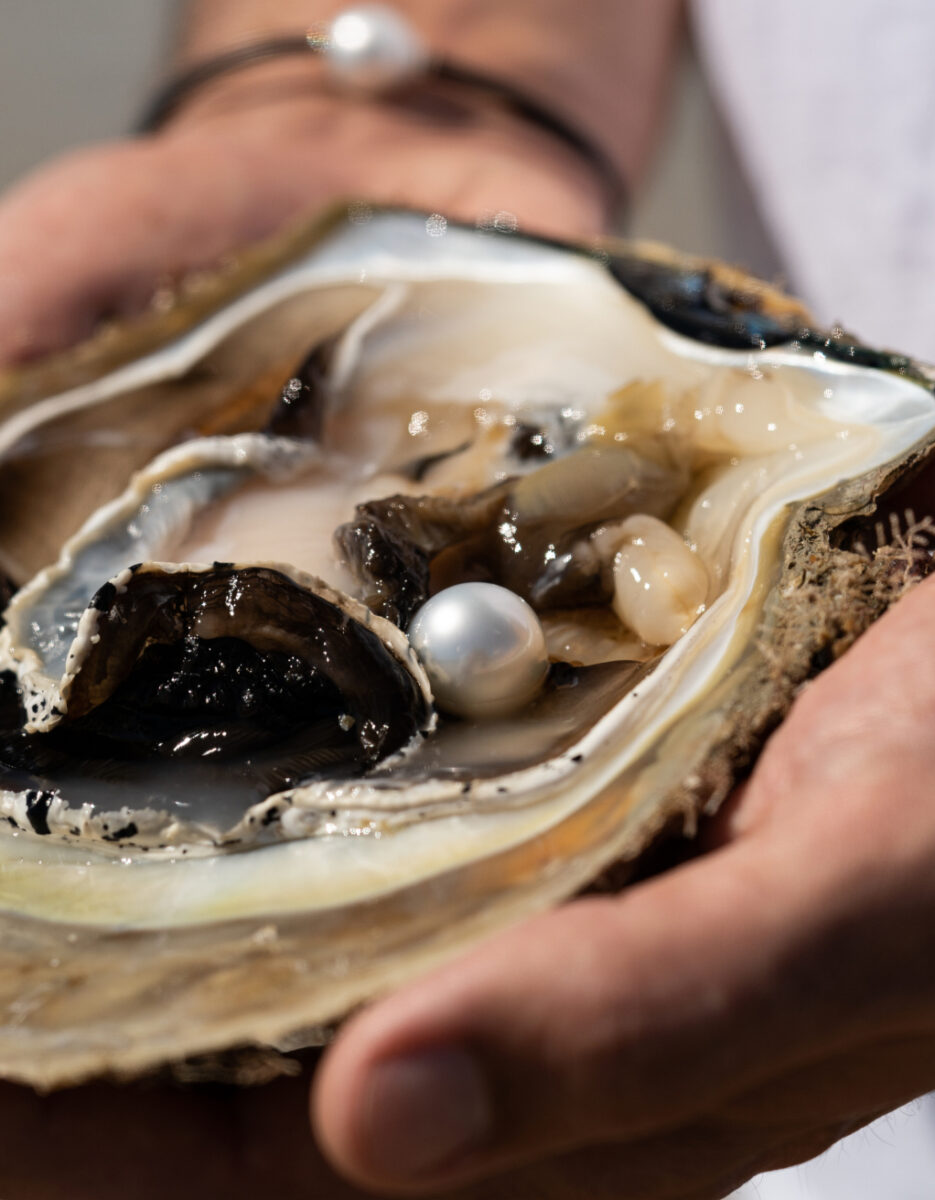
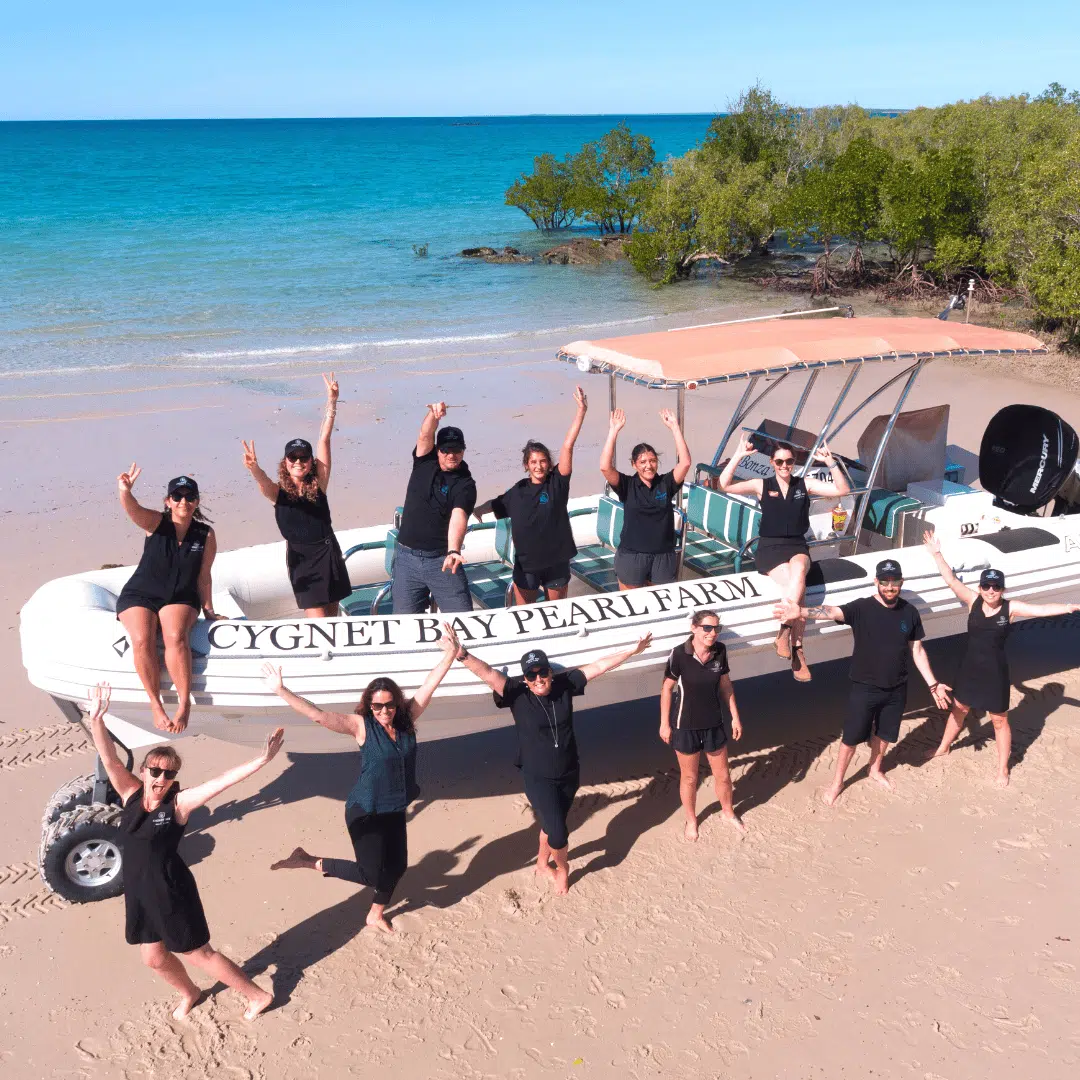
At Cygnet Bay Pearl Farm, we cultivate the world’s most sought-after variety of saltwater pearl – the Australian South Sea pearl, grown within the Pinctada maxima and is known as the world’s largest pearl producing shell. These South Sea pearls are revered for their natural beauty, radiant lustre and impressive size. But more than that, they’re a product of time and care, each on taking up to four years to form in the pristine waterways of the Kimberley coast. That makes them approximately 1000 times more rare than diamonds.
In this guide, we’ll invite you to dive into the world of South Sea pearls, and learn more about how they’re grown at our remote, family-run pearl farm, and why they’re considered the finest pearls on the planet.
Key Takeaways
- South Sea pearls come from the Pinctada maxima pearl shell in the southern hemisphere, and are among the rarest saltwater pearls.
- Each pearl shell must mature for at least 2 years before seeding, and usually yields just one pearl over another 2 to 3 year period.
- South Sea pearls are often much larger than other pearls, typically 8mm to 20mm in size.
- Colour variations depend on the shell’s lip and environment.
- Lustre, shape, surface quality and rarity make South Sea pearls more valuable than most other pearl types.
Summarise This Article
Where Are South Sea Pearls Grown?
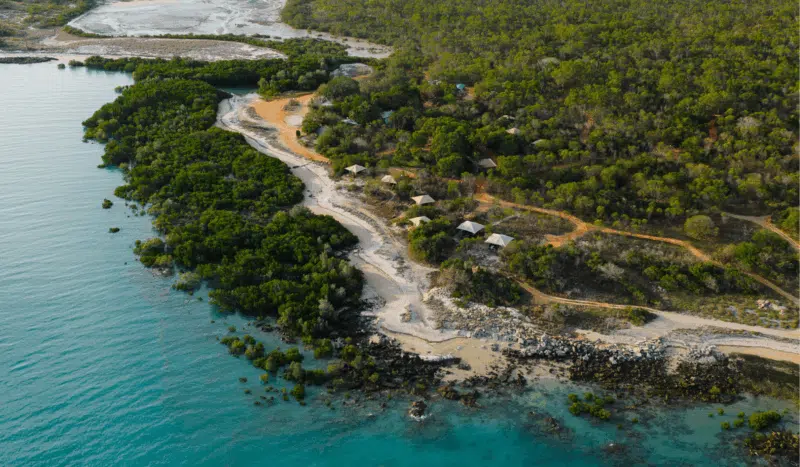
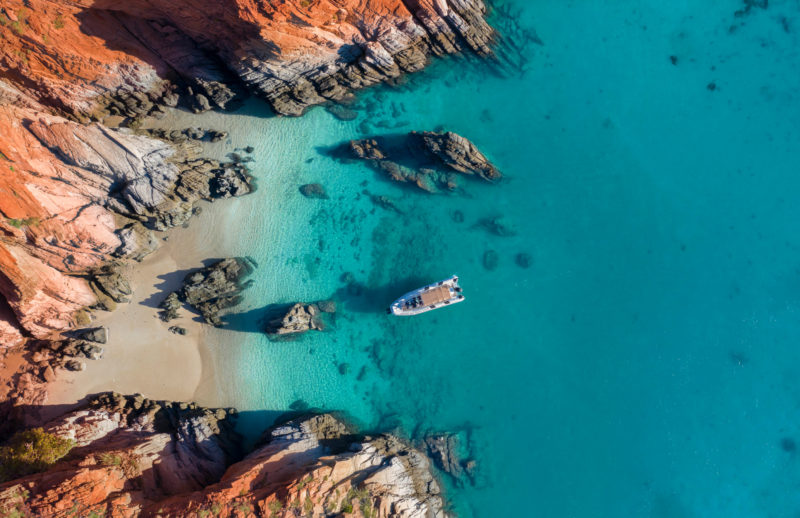
South Sea pearls are found in tropical climates. Our pearls are grown at our Cygnet Bay Pearl Farm, on the Dampier Peninsula in Western Australia, one of the most remote and untouched marine environments in the world. The Pinctada maxima shell thrives in these nutrient-rich waters, where we’ve been sustainably farming pearls for over 75 years. Although South Sea pearls can be found in regions like Indonesia, the Philippines and French Polynesia, Australian-grown pearls, particularly those from Broome and the Kimberley, are globally renowned for their superior size, thickness of nacre and satiny lustre.
How Are South Sea Pearls Grown?
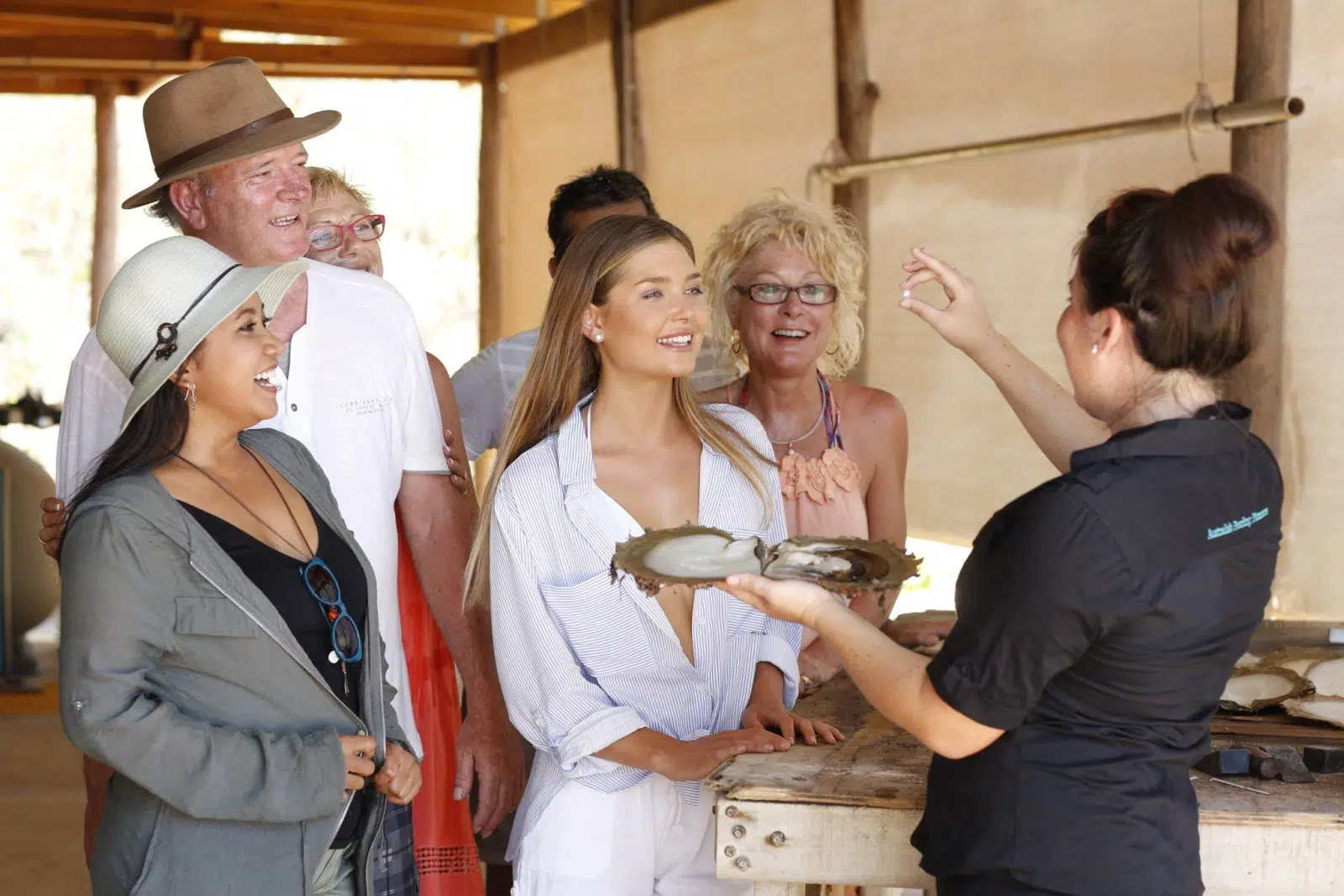
At Cygnet Bay, our pearls are cultured, and every pearl begins with a pearl shell that’s at least 2 years old. The seeding process is a delicate procedure performed by skilled farm technicians. A small round bead, called a nucleus, and a tiny piece of mantle tissue is placed inside the reproductive system of the pearl shell. From there, nature takes over. Over the next 2 to 3 years, the pearl shell coats the nucleus with a substance called nacre, the same iridescent substance that lines the inside of the shell forming what we know as Mother of Pearl. Over time, layer by layer, the pearl shell will produce a stunning South Sea pearl.
Because these pearl shell typically only produce one pearl at a time, and because so few grow to be gem quality, these pearls are considered among the rarest gems in the world.
What Size Are South Sea Pearls?
Thanks to the large size of the Pinctada maxima, South Sea pearls are also the largest cultured pearls available, typically measuring between 8mm to 20mm in diametre.
But in 2004, Cygnet Bay made history. We harvested an Australian South Sea pearl measuring at 22.24mm, believed to be the largest fine quality round pearl ever found. This remarkable gem is on display at our Broome Showroom, and is a proud symbol of what’s possible when you pair patience with passion for quality.
Why Are South Sea Pearls So Valuable?
The value of a South Sea pearl comes down to its rarity, size, shape, lustre, surface quality, colour and nacre thickness. Each harvest yields only a small percentage of fine quality pearls, and matching those pearls into strands or pairs is an art form in itself.
Our team takes pride in every step of this process, from seeding and growing through to harvesting and grading. And because the majority of the work is done by hand, each South Sea pearl never leaves our hands until it reaches yours.
What Colours Do South Sea Pearl Comes In?
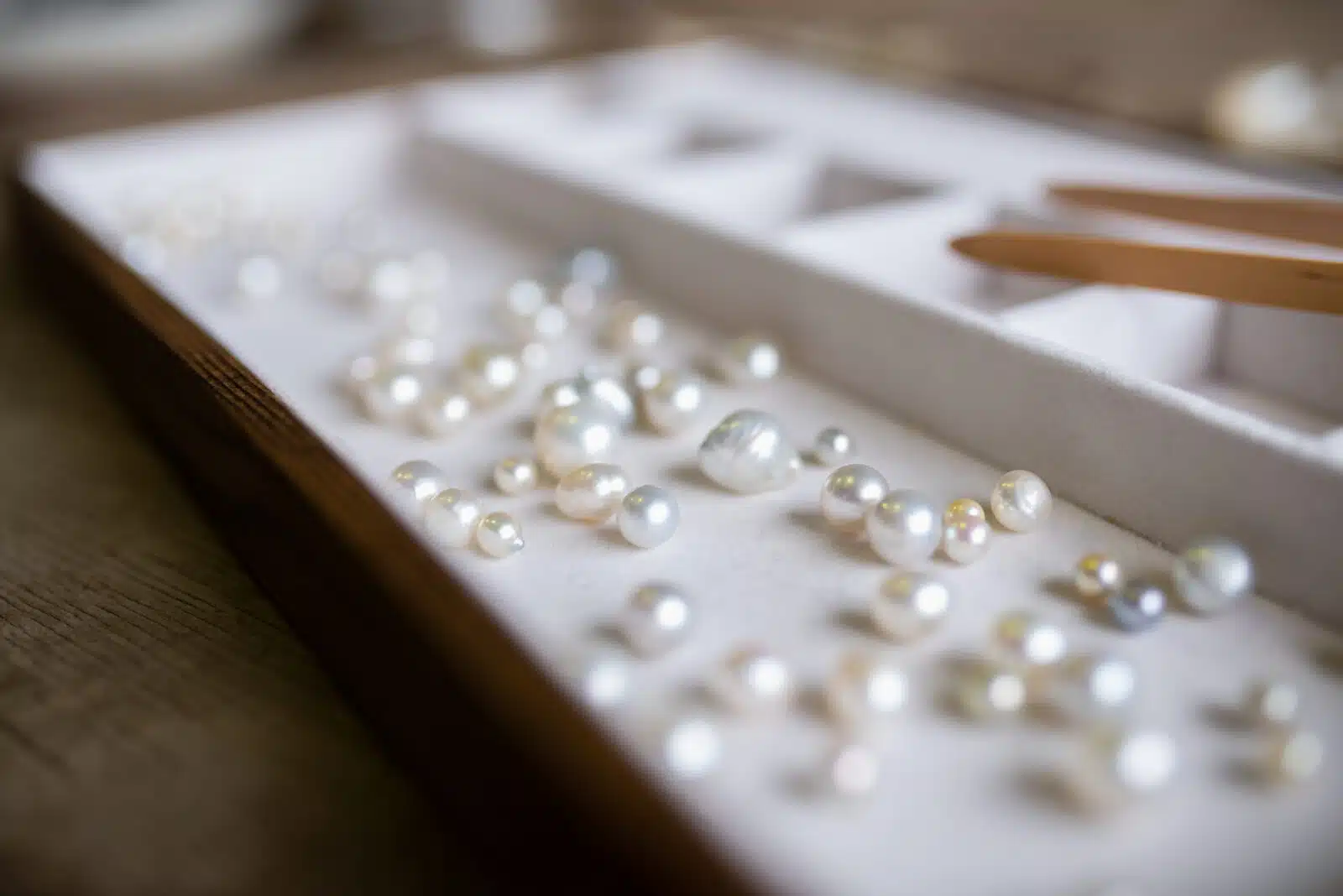
South Sea pearls are famous for their soft white tones, but they can also be found in a range of other shades include cream, silver and sometimes gold.
The colour of the pearl is influenced by several factors, including the lip colour of the pearl shell, water temperature, the region it’s grown in, and the thickness of the pearl’s nacre. In Australia, most pearls are produced by the white or silver-lipped variety of Pinctada maxima, resulting in those iconic creamy white hues.
Do South Sea Pearls Have More Lustre?
Yes, and it’s part of what makes them so desirable.
Lustre refers to the way that light reflects off the surface of the pearl. A high-lustre pearl appears bright, the reflection is sharp and is almost glowing. Because South Sea pearls are left to grow for 2 to 3 years, and because of the pristine marine environments at Cygnet Bay, the nacre is able to build up evenly. The result is a deep, radiant lustre that’s difficult to replicate in Freshwater pearls.
What Shapes Do South Sea Pearls Come In?
While a perfectly round pearl is the classic shape, part of the beauty of South Sea pearls is their natural diversity in shape.
Each year, only around 10% of our harvest results in round or near-round pearls, making these the most prized and valuable. The rest form into beautiful, organic shapes that are equally adored by jewellery designers and pearl lovers alike.
Here’s a breakdown of common South Sea pearl shapes:
Round – Less than 10% of the harvest. Highly valuable.
Near Round – Almost spherical, but appears round to the eye.
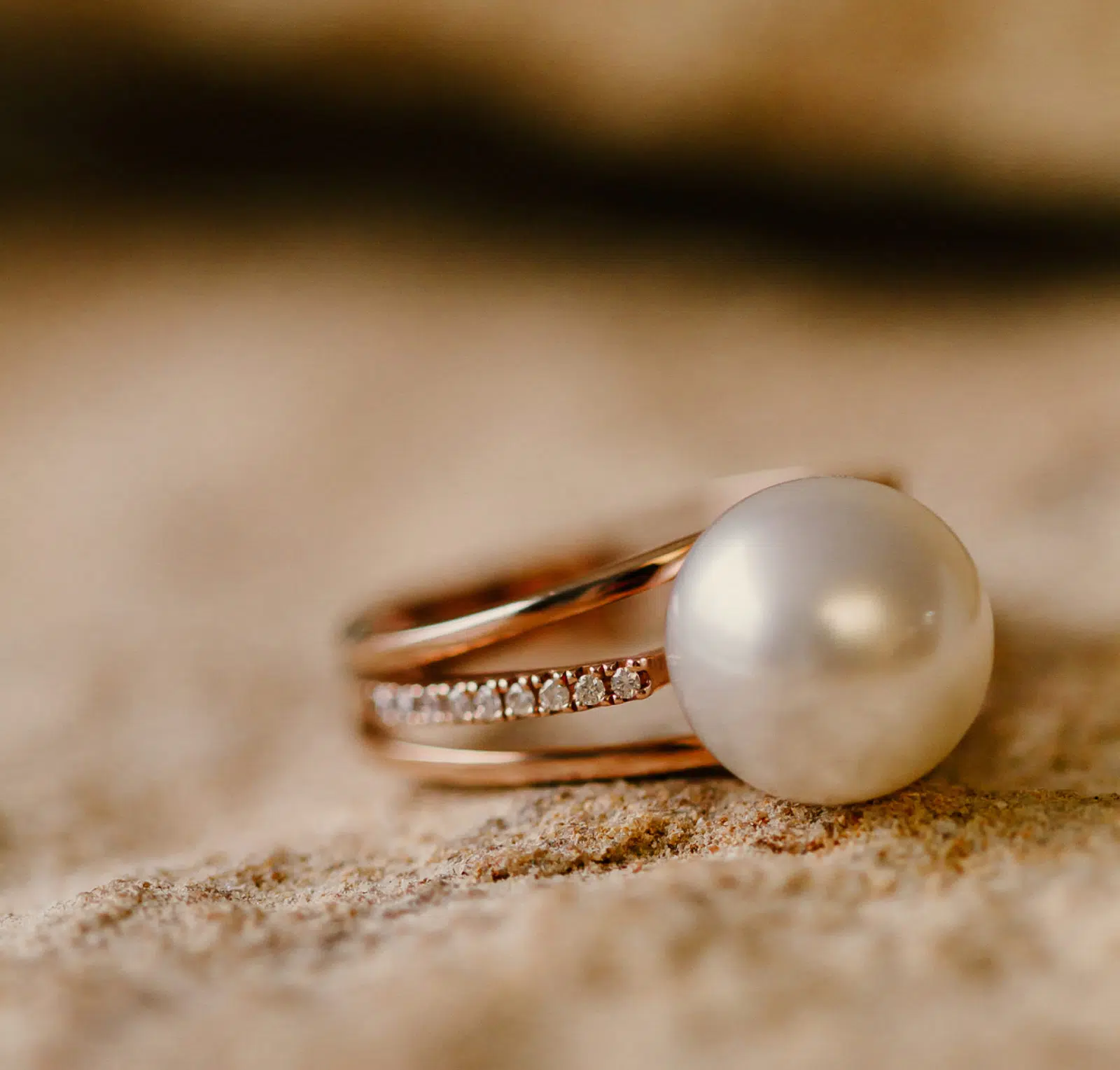
Button – Flat bottomed pearls ideal for rings and earrings.
Drop – Romantic oval or teardrop shapes, the second most rare shape.
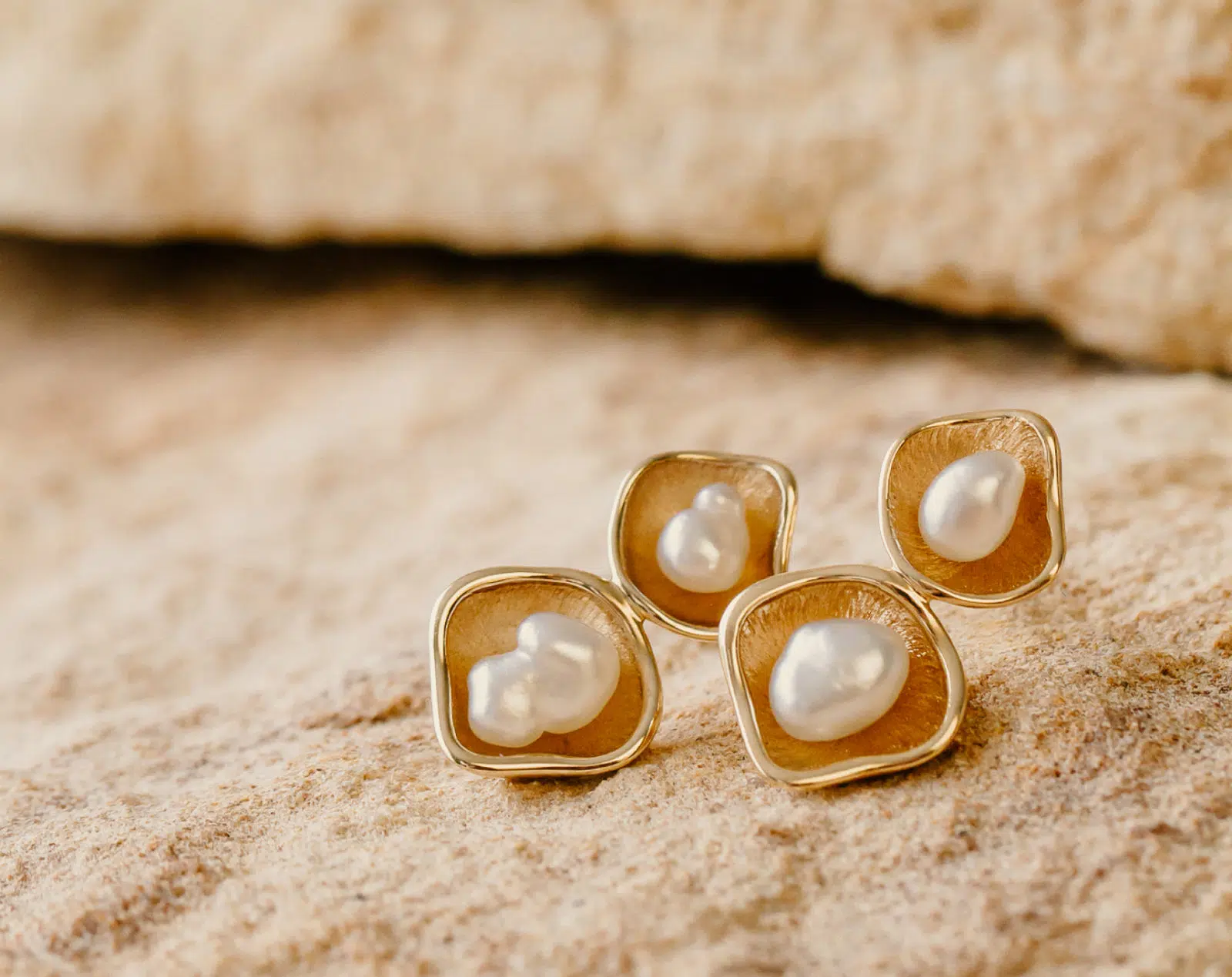
Baroque – Freeform and highly individual. These make up about 40% of our harvest.
Circle – Marked by concentric rings.
Discover The Beauty of South Sea Pearls
South Sea pearls embody the harmony between people and planet. Each gem tells a story of our team of skilled experts and the generations of pearling heritage behind each and every pearl. Discover the beauty for yourself and explore our range of South Sea Pearl jewellery pieces and experience the rarest pearls grown the world’s purest waters.