


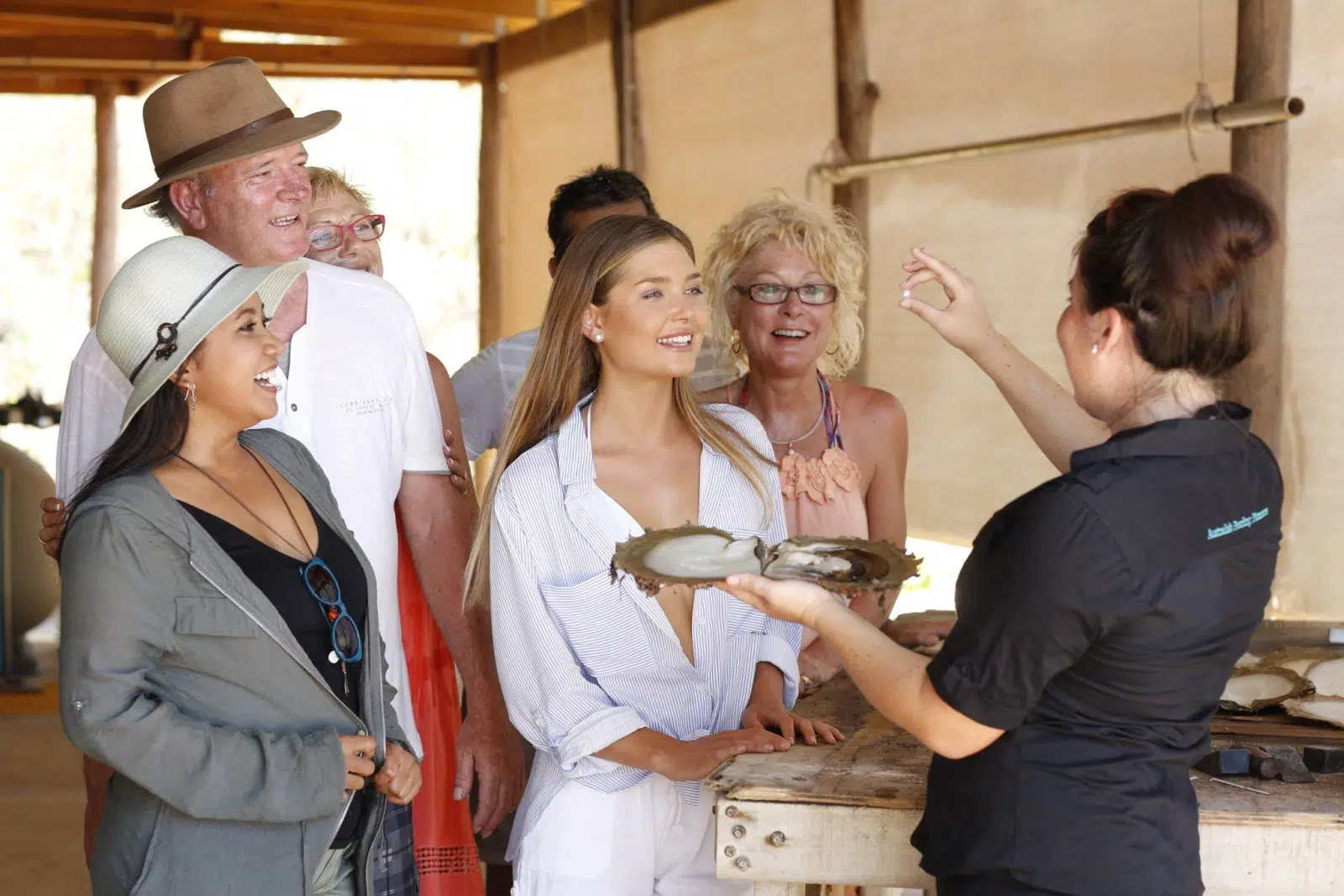
Natural vs Cultured Pearls: All you need to know
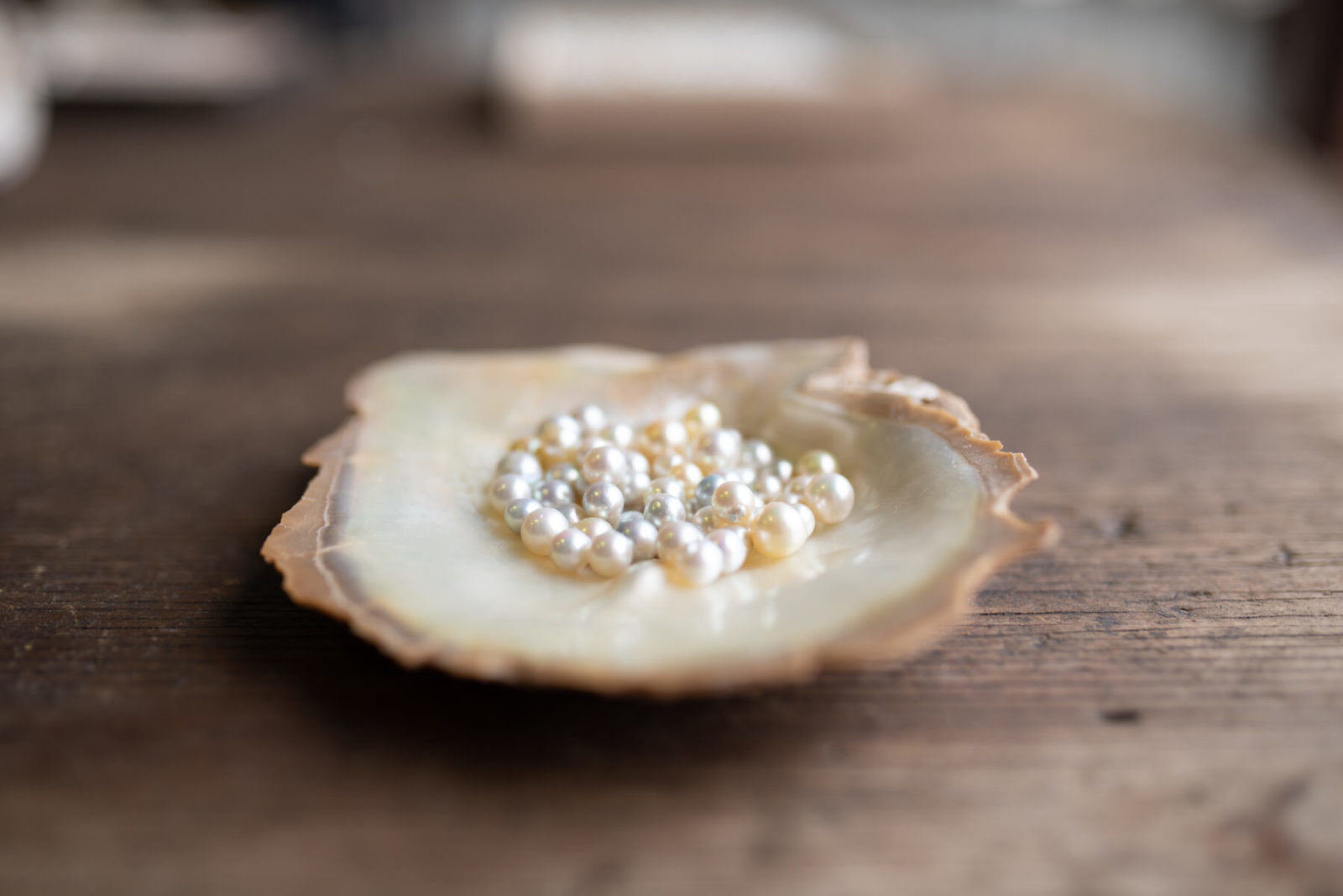
When people ask if a pearl is real, they’re often wondering if it’s a naturally occurring pearl found in the wild or cultured pearl grown at a pearl farm like ours at Cygnet Bay Pearl Farm.
It’s important to understand that both natural and cultured pearls are real pearls! The difference between the two are in how they are produced. Read on to learn more!
Key Takeaways
- All pearls, natural or cultured, are created as a result of triggering the defense mechanism of an oyster.
- Natural and cultured pearls are formed via the same process, both being composed of nacre.
- Natural pearls are extremely rare, with only 1 in every 10,000 oysters producing a pearl.
- Cultured pearls are real pearls, and are still rare.
- Freshwater and Saltwater pearls are types of cultured pearls.
Summarise This Article
How Are Pearls Formed?
Pearls are made as a result of triggering the defense mechanism of an oyster when an intrusion or parasite enters the shell. Contrary to popular belief, this intrusion is larger than a grain of sand, instead it could be a piece of coral, or the tip of a crab claw.
This defense mechanism is the secretion of layers of a substance called nacre. This layering of nacre coats the irritant that has found its way into the pearl shell, and this process slowly creates a pearl over the span of several years.
Over time, layer by layer, nacre is deposited until a pearl is formed. Read our extensive guide on what are pearl and where they come from.
What Are Natural Pearls?
A natural pearl is formed by way of the above process, without any human intervention and is incredibly rare. Estimates suggest only 1 in every 10,000 oysters produce a natural pearl. Because of this rarity, most natural pearls you’ll encounter are antiques or museum pieces.
In the late 19th century, pearl divers collected shells from the seabed’s in an attempt to find precious, natural pearls. Finding a natural pearl is an incredibly rare feat and as explained before, they are created as a defense mechanism to contain and neutralise irritants that have found their way into the pearl shell. When this occurs, the irritant is coated in nacre and then the shell aims to ‘spit’ the irritant out. Therefore, most shell’s aim to expel the irritant once it’s covered in nacre. This makes it incredible rare to find a natural pearl.
What Are Cultured Pearls?
A cultured pearl is formed in the same way as a natural pearl, just as a result from a human-guided process called seeding. Pearl cultivation involves an expert pearl technician carefully inserting a tiny bead called a nucleus which acts as the irritant to the pearl. This is then followed by inserting a piece of mantle tissue, which are both placed inside the reproductive organ of the shell, where layers of nacre are formed around this nucleus.
The process of culturing pearls was introduced in the 19th centuries by Mikimoto, and occurs at our own pearl farms. One of our very own founders, Lyndon Brown, was one of the first Australian pearl technicians to master the technique of culturing pearls, and then went on to do this in a commercial manner. You can visit our Cygnet Bay Pearl Farm, and purchase a Cygnet Bay grown South Sea pearl set on a stunning piece of jewellery from Pearls of Australia.
Cultured pearls are definitively real pearls, even though they are not naturally formed in the wild. To learn more about the difference between real versus fake pearls read our guide.
Types Of Cultured Pearls
There are two main types of cultured pearls: Saltwater and Freshwater pearls.
Saltwater Pearls
Grown in the southern oceans around Australia and Asia, Saltwater pearls include South Sea, Tahitian and Akoya pearls. Saltwater pearls are generally more valuable because they take longer to be cultivated, produce just one pearl at a time, and have thicker layers of nacre – resulting in exceptional lustre and colour.
Freshwater Pearls
Freshwater pearls grow in rivers, lakes, and ponds – mostly in China. Freshwater pearls tend to have thinner nacre, less lustre, and multiple pearls are produced at one time.
Often, they also undergo a chemical treatment to enhance their appearance.
Natural vs Cultured Pearls: What's the Difference?
Both natural and cultured pearls are formed by the secretion of nacre. The key difference is how this process begins: natural pearls start from an accidental irritant while cultured pearls begin with the intentional insertion of a nucleus by expert pearl technicians.
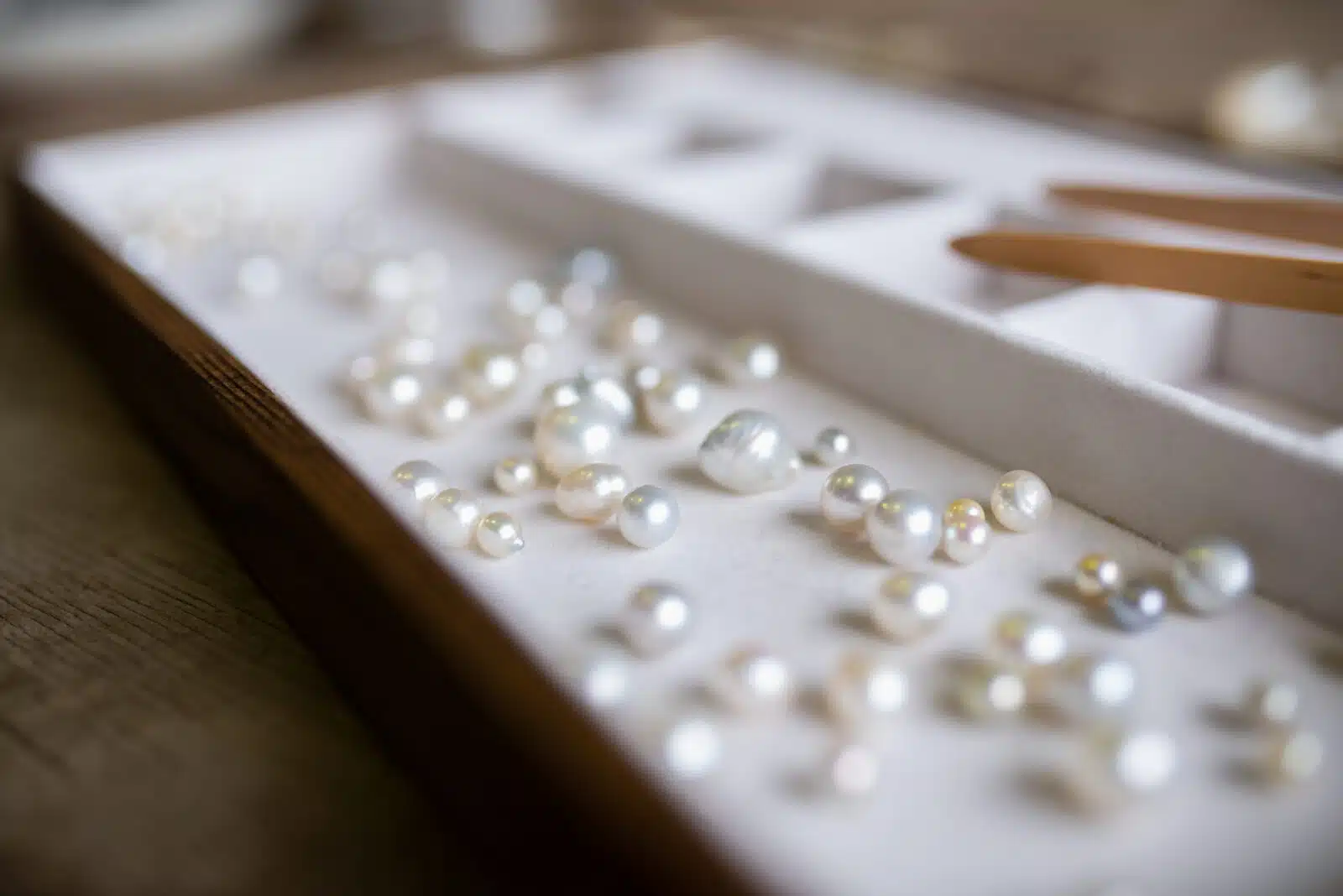
It’s almost impossible to tell the difference between natural vs cultured pearls, especially by eye. Only an X-ray gemological examination can provide any certainty. Generally, natural pearls tend to have a more irregular or organic shape because their formation is unplanned whereas cultured pearls often have a more round shape thanks to the round nucleus inserted during seeding. However, a perfectly round pearl is still extremely rare – even among cultured pearls.
Another point of difference between natural vs cultured pearls is the difference in rarity between them. Today, almost any pearl, whether loose or set in jeweller, is a cultured pearl. Natural pearls are extremely rare, and most natural beds of pearl-producing shells have been depleted due to historical over-harvesting – with almost all natural pearls worldwide already harvested today!
Although natural pearls are extremely rare, saltwater pearls are also rare. This is especially true for South Sea pearls, which take an average of four years to grow a single pearl, making South Sea pearls approximately 1000 times rarer than diamonds.
Cultured pearls are also considered a more environmentally conscious approach to the pearling industry. This is because pearl farming can be done without the depletion of wild oyster populations. Studies provided by The Nature Conservancy (TNC) show that for every hectare of oyster reef each year each pearl farm allows for the filtration of 2.7 billion litres of water, the removal of 225kg of nitrogen and phosphate, 375kg of new fish to catch and eat, the provision of a new home for 100+ marine species and the removal of 10,000kg of carbon.
Learn more about how our pearls are intrinsically sustainable.
What's The Difference In Pearl Quality?
Because natural and cultured pearls share the same nacre layering process, their quality is exactly the same. Our Australian South Sea pearls are among the finest quality pearls grown in the world. Beyond their stunning beauty and rarity, these pearls play a vital role in restoring and maintaining the health of our pristine Australian marine environment.
When you choose a pearl grown at Cygnet Bay Pearl Farm, you’re not only getting a precious gem but you’re also supporting the very waterways that cultivated that pearl.
Visit Our Pearl Farm & Buy Australian Grown Pearls
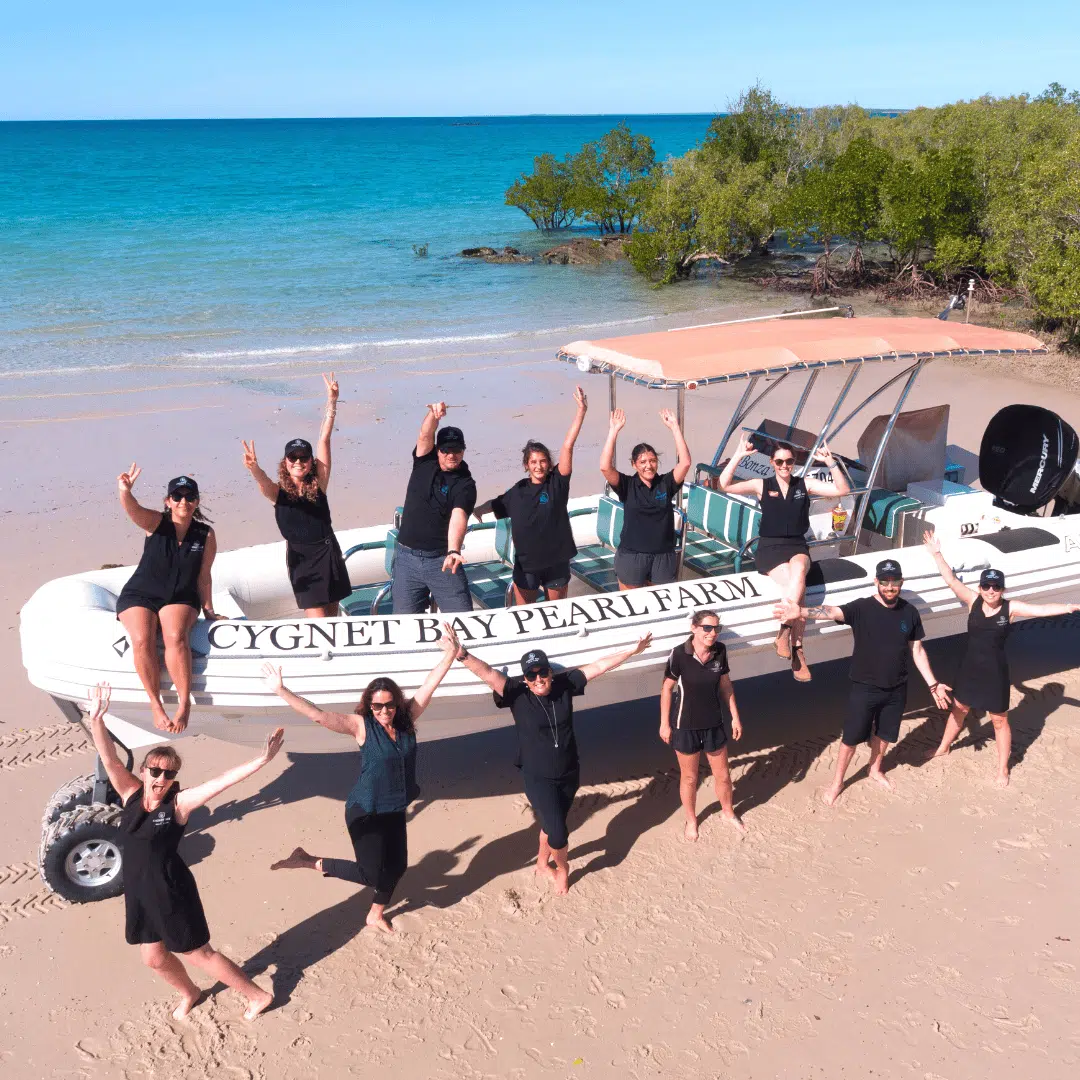
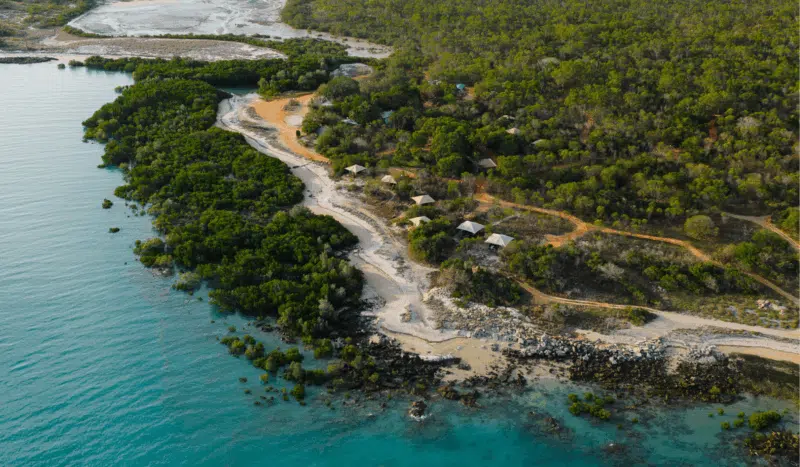
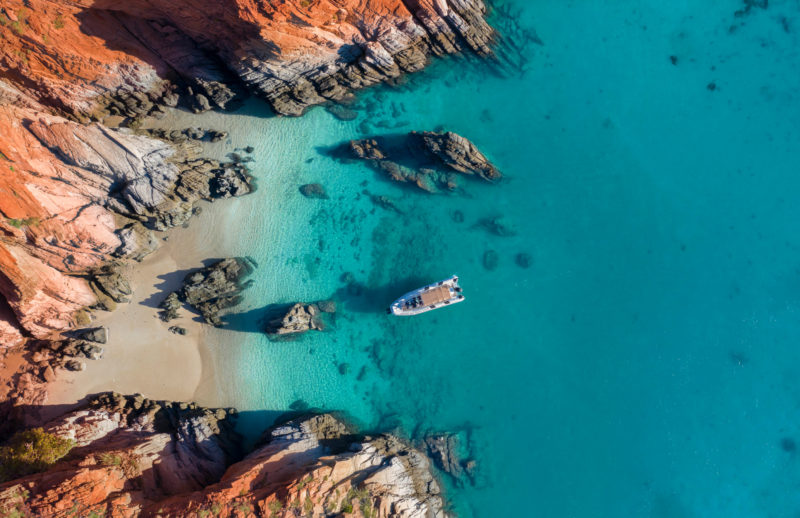
Immerse yourself in the story of the Australian pearl by visiting Cygnet Bay Pearl Farm where you can stay and discover the beauty of the Dampier Peninsula.
We offer award-winning accommodation options, incredible pearl farm tours, experiences on the water, and stunning Australian-grown pearl jewellery to browse.
Few collections in the world can rival the purity, provenance and rarity of our Cygnet Bay grown Australian South Sea pearls. Paired with our timeless jewellery designs, each piece becomes a treasured heirloom to be cherished for generations.