






How do you tell if Pearls are Real?
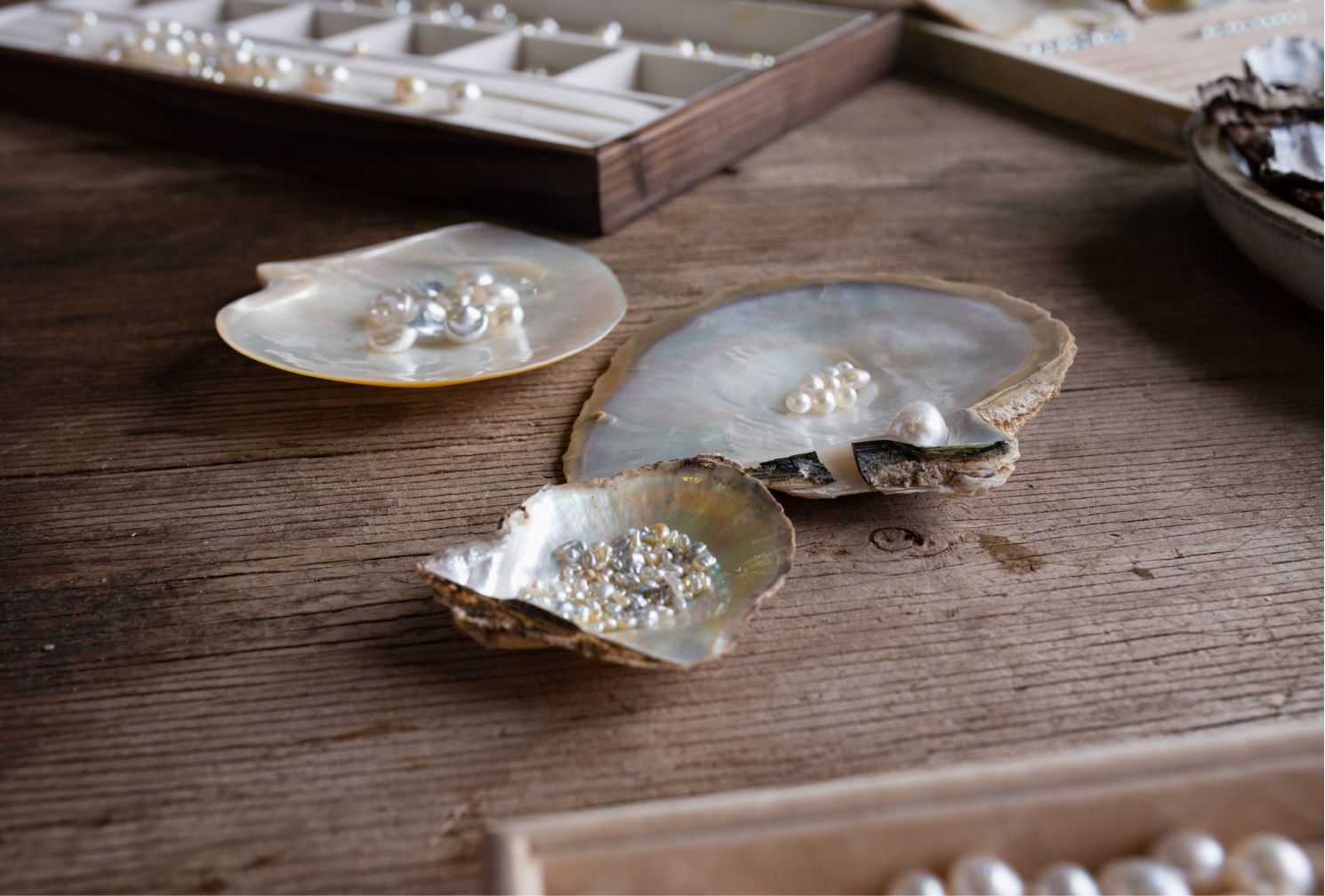
Situated on the tip of the Dampier Peninsula, our Cygnet Bay Pearl Farm is one of the last wilderness frontiers. We sustainably cultivate some of the world’s finest quality saltwater pearls – and is part of a culmination of an almost 80 year pearling legacy that has helped shape the Australian pearling industry.
Provenance, quality and sustainably are deeply important to us, so we have put together a guide on how do you tell if pearls are real. But, before diving into how to tell is a pearl is real or otherwise, let’s first clarify some basic terminology and what we mean by “real” when it comes to pearls.
Key Takeaways
- Real pearls include both natural and cultured pearls.
- You can conduct several tests on how to tell if pearls are real, including looking at surface, colour, shape, lustre, sound and temperature tests.
- Real pearls feel gritty, while fake pearls feel overly smooth.
- Flawless surfaces may signal a fake pearl, whereas real pearls often show tiny, minor surface imperfections.
- Fake pearls may feel lightweight and room temperature whereas real pearls tend to feel heavier and are cooler than room temperature until worn.
Summarise This Article
When people ask if a pearl is real, they’re often wondering if it’s a naturally occurring pearl that’s been found in the wild.
Natural pearls form without any human intervention and are incredible rare. Estimates suggest that only 1 in every 10,000 oysters produce a natural pearl. Because of this rarity, most natural pearls you’ll encounter are either antiques or museum pieces.
Cultured pearls, on the other hand, result from a human-guided process called seeding, where a nucleus is carefully inserted into a pearl shell to stimulate pearl formation. The vast majority of pearls in today’s jewellery market, including our prized South Sea pearls, are cultured.
Want to learn more about what pearls are? Read our guide on what they are and where they come from.
Saltwater vs Freshwater Pearls
Next, it’s important to know whether your pearl is from a Saltwater or Freshwater pearl shell.
Saltwater pearls, such as our Australian South Sea pearls grown here at Cygnet Bay Pearl Farm, are typically more rare and valuable. These pearl shell thrive in saltwater waterways and produce pearls with exceptional lustre and thick nacre.
Freshwater pearls are usually grown in mussels found in lakes, ponds and rivers. Most come from China and tend to be more abundant, often treated to enhance their colour and lustre.
Both Saltwater and Freshwater pearls are genuine pearls, but the differences in environment and species mean Saltwater pearls often command higher prices.
Real vs Fake Pearls
How can you tell is a pearl is real, or just an imitation made from plastic, glass or shell? Here are some practical tips from our experts at Cygnet Bay:
Check The Surface
Real pearls usually have tiny surface irregularities or subtle texture. Fake pearls often feel unnaturally smooth or perfectly flawless. Try the tooth test, by gently rubbing the pearl against the front of your tooth (not the side, to avoid damage). A real pearl feels slightly gritty; a fake one feels smooth or slippery.
Check The Colour
Real pearls show subtle overtones, hints of pink, green or blue shimmering just over the base colour of the pearl. Fake pearls tend to have a flat, uniform colour. That said, very high-quality pearls can also have uniform colour, so colour alone isn’t a definitive test.
Check The Shape
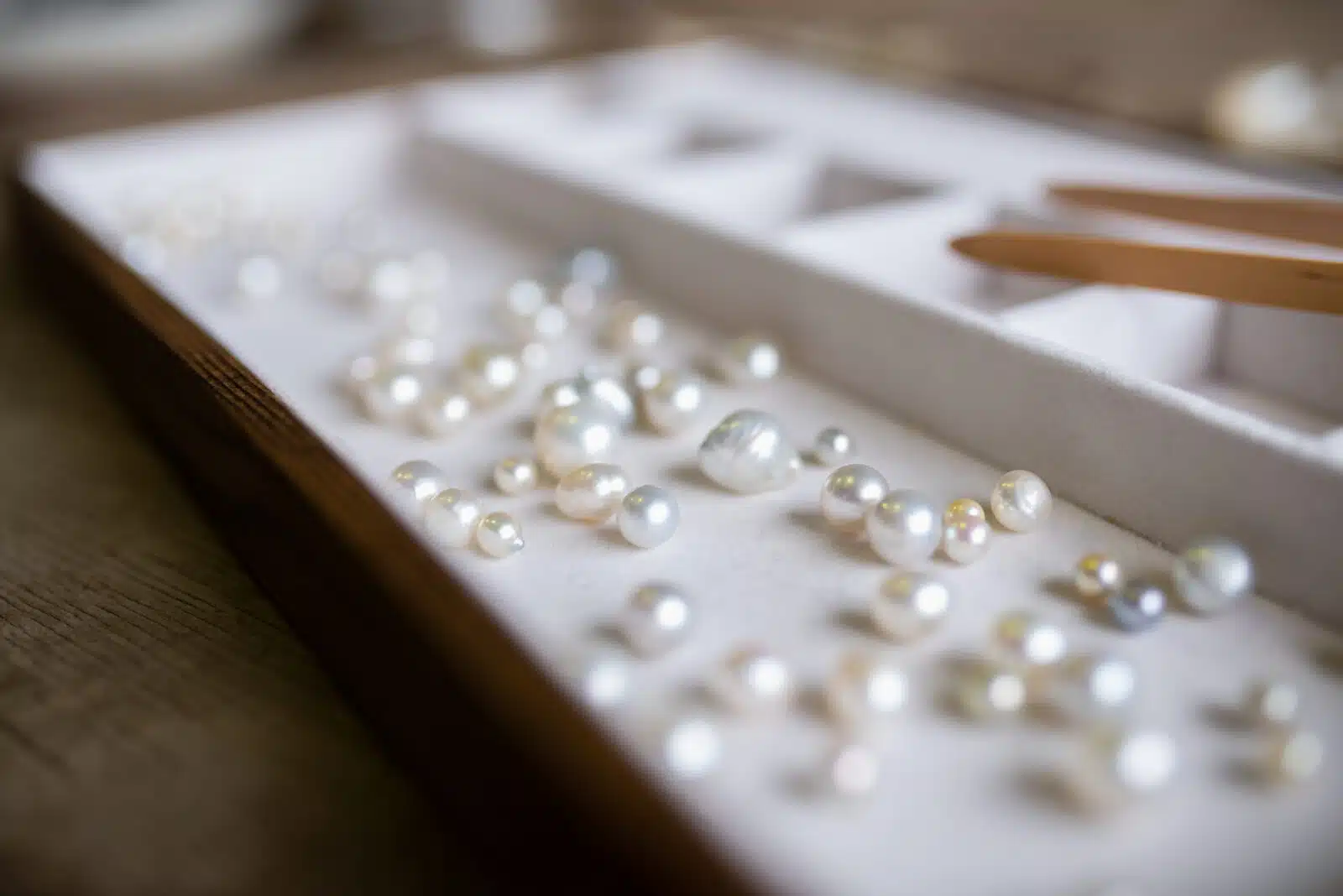
No two real pearls are exactly alike. While some are round or near-round, real pearls often come in irregular or baroque shapes. If you see perfectly round pearls sold cheaply, they might be fake.
Check The Lustre
Real pearls reflect light with depth, you can often sense that light radiating from within. Fake pearls tend to have a more superficial shine, reflecting light only on the surface and lacking that inner glow.
Check The Weight
Real pearls have a natural weight and density. Some fake pearls feel unusually light, while others may be artificially weighted to feel heavy. Handling pearls regularly helps develop a sense for their authentic feel.
Check The Sound
Real pearls have a softer, less “tinny” sound when gently tapped together. In contrast, fake pearls may sound hollow. However, this test can be subtle and is best done by an experienced hand.
Check The Temperature
A real pearl feels cool to the touch, with its temperature cooler than room temperature that gradually warms to you skin temperature when worn. Fake pearls are normally room temperature already before being worn.
What's The Bounce And Fire Test?
You may have heard about the bounce test (drop a pearl onto glass to see if it bounces), or the fire test (holding a pearl near a flame). Neither of these methods are recommended. Pearls are delicate and valuable, these tests risk damaging or destroying them. At Cygnet Bay, we recommend using safter, non-invasive methods or consulting an expeert.
Final Thoughts On How Do You Tell If Pearls Are Real
If you want absolute certainty on how to tell if pearls are real, visiting a pearl valuer with magnification tools is the best way to verify authenticity. They can help you to identify whether you’re holding a genuine pearl or a well-made imitation.
Pearls are extraordinary gems, cherished for centuries. Now that you know a little more about how to spot the real thing, feel free to explore our curated collection of Australian South Sea pearls grown at our Cygnet Bay Pearl Farm.
Have questions we didn’t cover here? Reach out anytime or book a complimentary 30-minute consultation with one of our knowledgeable pearl experts. Please keep in mind that we cannot value your pearls – this can only be done by an authenticated pearl valuer.
Finally, if you found this guide helpful, please share it with your friends – everyone deserves to know the beauty behind real, genuine pearls.