What are Pearls and where do they come from?
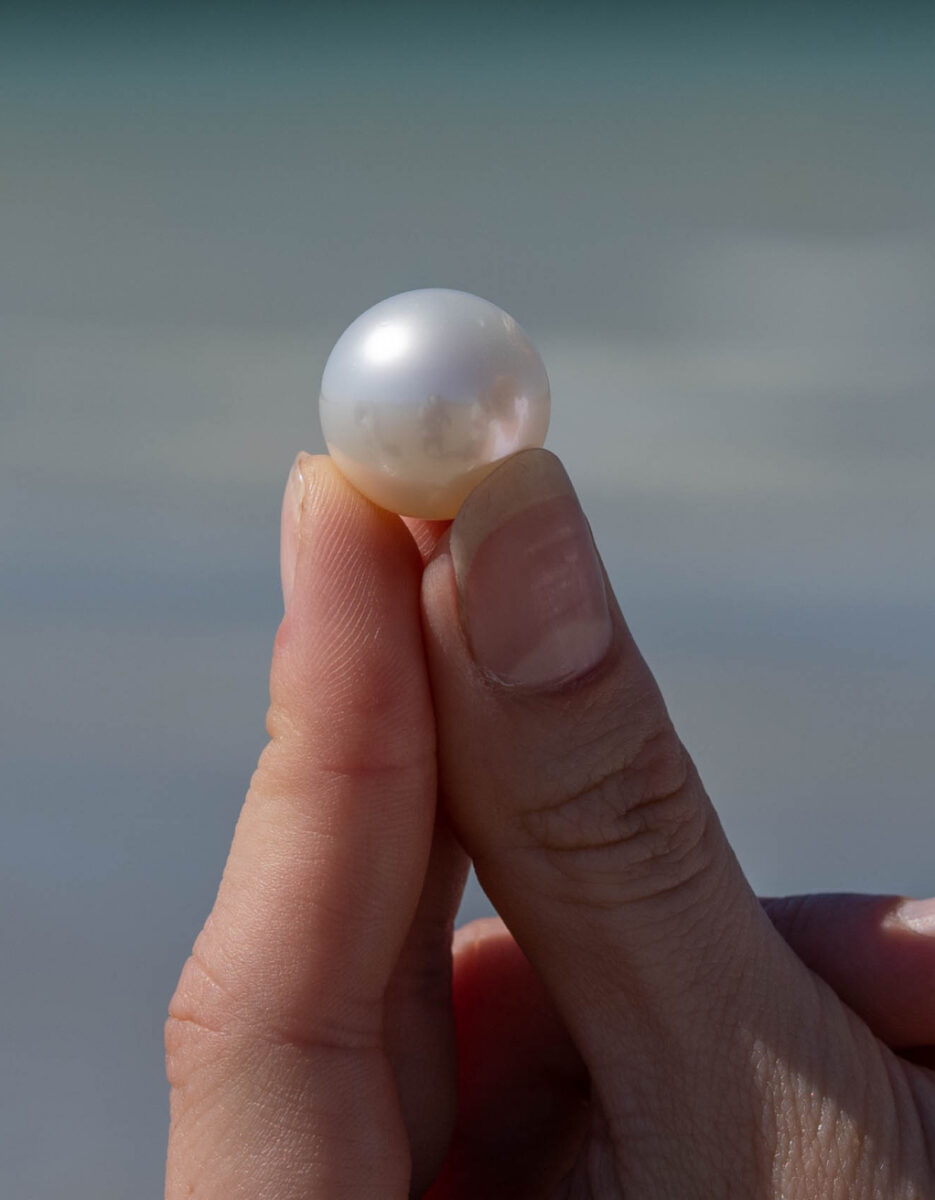
Everyone knows what a pearl is, but how much do you really know about these precious gems? At Cygnet Bay Pearl Farm, we’d love to take you on a journey beneath the waves to better understand how pearls are made, from the mysteries of their aquatic world to the expert care that turns them into the gems you treasure.
Key Takeaways
- Pearls form when a mollusc coats an irritant with layers of nacre, either naturally in the wild or through human intervention.
- Culturing pearls is a delicate, years-long process that requires expertise.
- Pearl colour depends on the pearl shell species and environmental factors.
- Different regions produce different pearl species, from Australian South Sea, Akoya to Tahitian and Freshwater pearls.
- Pearls are graded by size, shape, colour, surface quality, lustre and nacre thickness.
Summarise This Article
How Are Pearls Made?
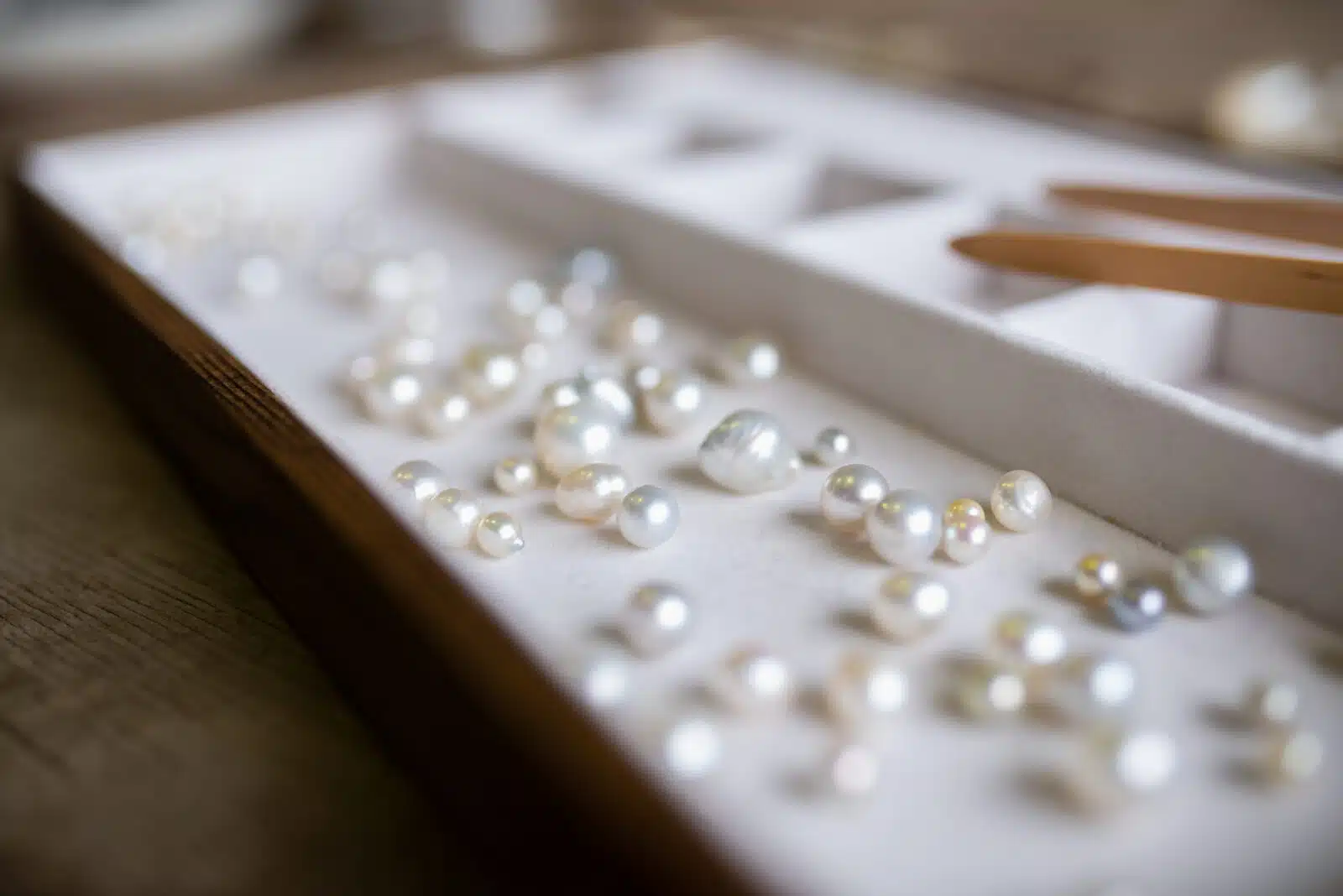
Pearls form inside molluscs as a natural defense. When something irritates the pearl shell, often a parasite or other foreign object, the oyster secretes nacre, a lustrous substance that coats this intrusion. Over time, layer by layer, the nacre builds up and creates a pearl.
Most pearls you see on the market today are cultured pearls, meaning humans have carefully introduced an irritant, called a nucleus, into the oyster in a process known as seeding.
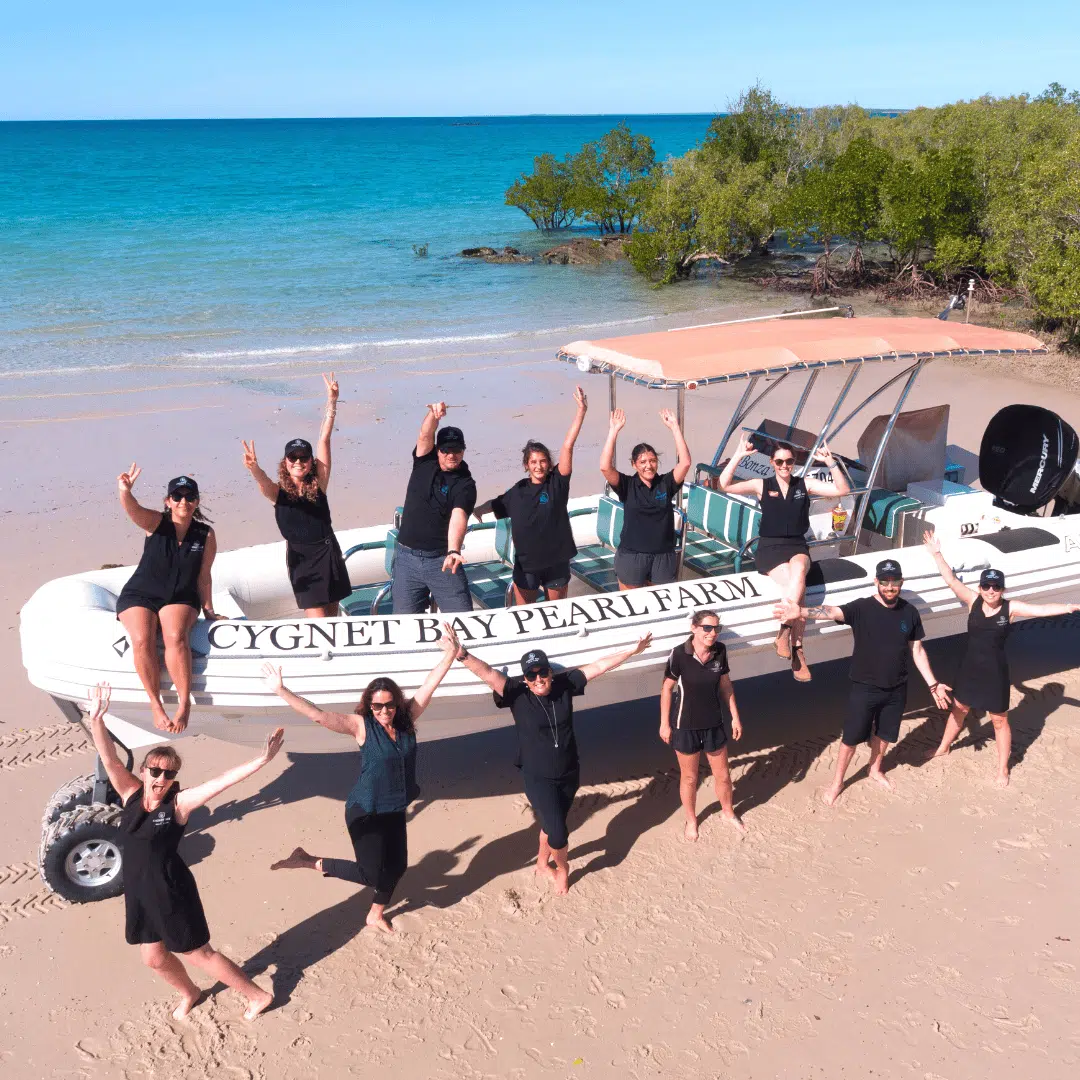
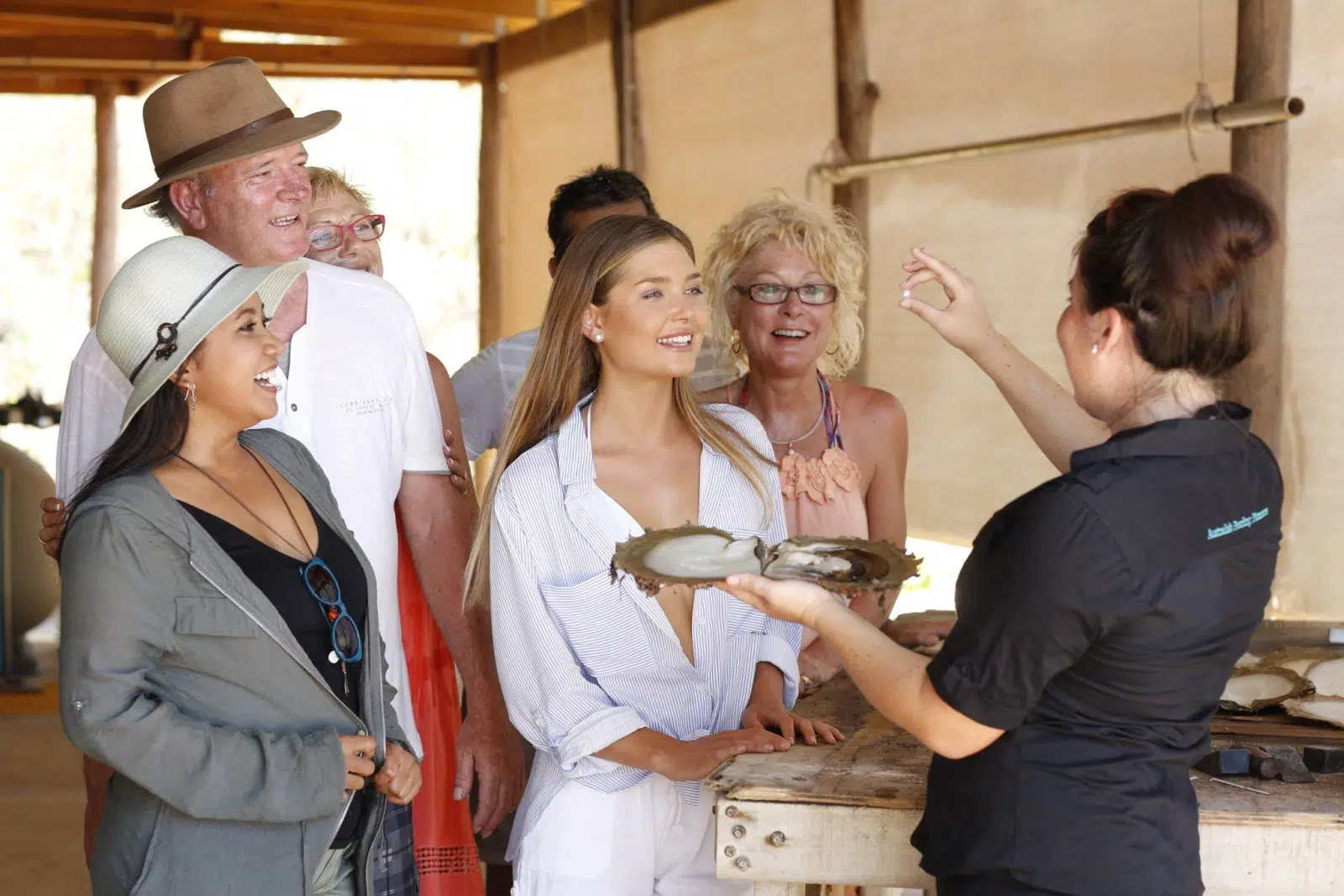
At Cygnet Bay Pearl Farm, pearl cultivation is a fine honed art. Our technicians spend years mastering the delicate procedure of inserting the nucleus. Meanwhile, the Australian South Sea pearl shell itself requires about two years to mature to a point where it’s ready for seeding. After seeding, the pearl takes an additional two to three years.
Careful monitoring is essential throughout the pearl’s growth, a healthy oyster produces a stunning pearl and our team of pearl farmers work year round to ensure they are well looked after. Once matured, pearls are harvested with great care, then cleaned and gently polished by hand.
Despite this process, pearls are still extremely rare. If we seed 1,000 pearl shell, only about one will grow a South Sea pearl that excels in lustre, surface quality, shape, size and colour. Pearl farming is truly a labour of passion and patience.
Where Do Pearls Come From?
The source of a pearl depends on the type of pearl:
Akoya pearls are cultured across East Asia and Australia, specifically at our Broken Bay Pearl Farm which sits at the mouth of the lower Hawkesbury River near Sydney.
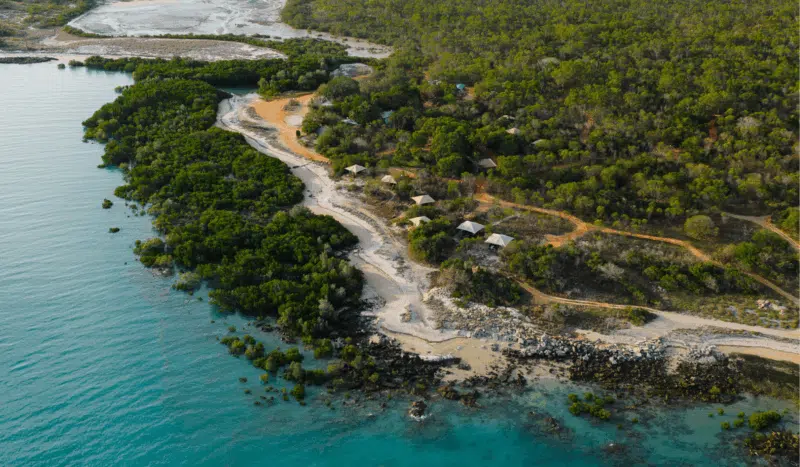
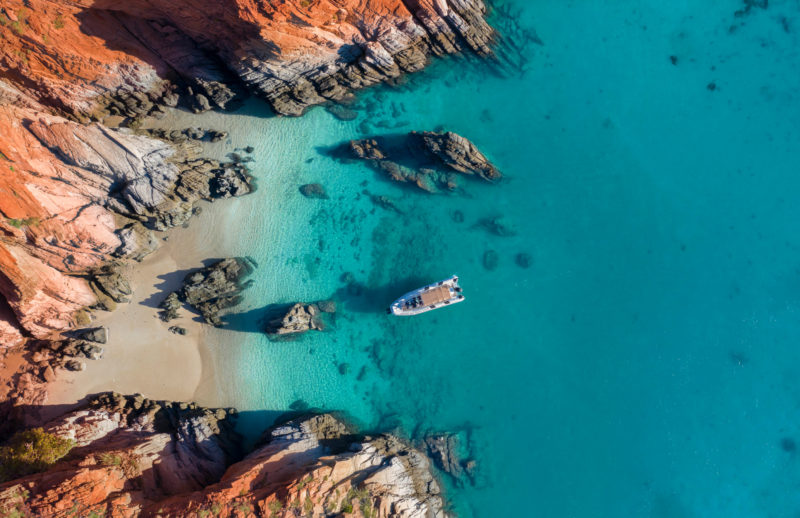
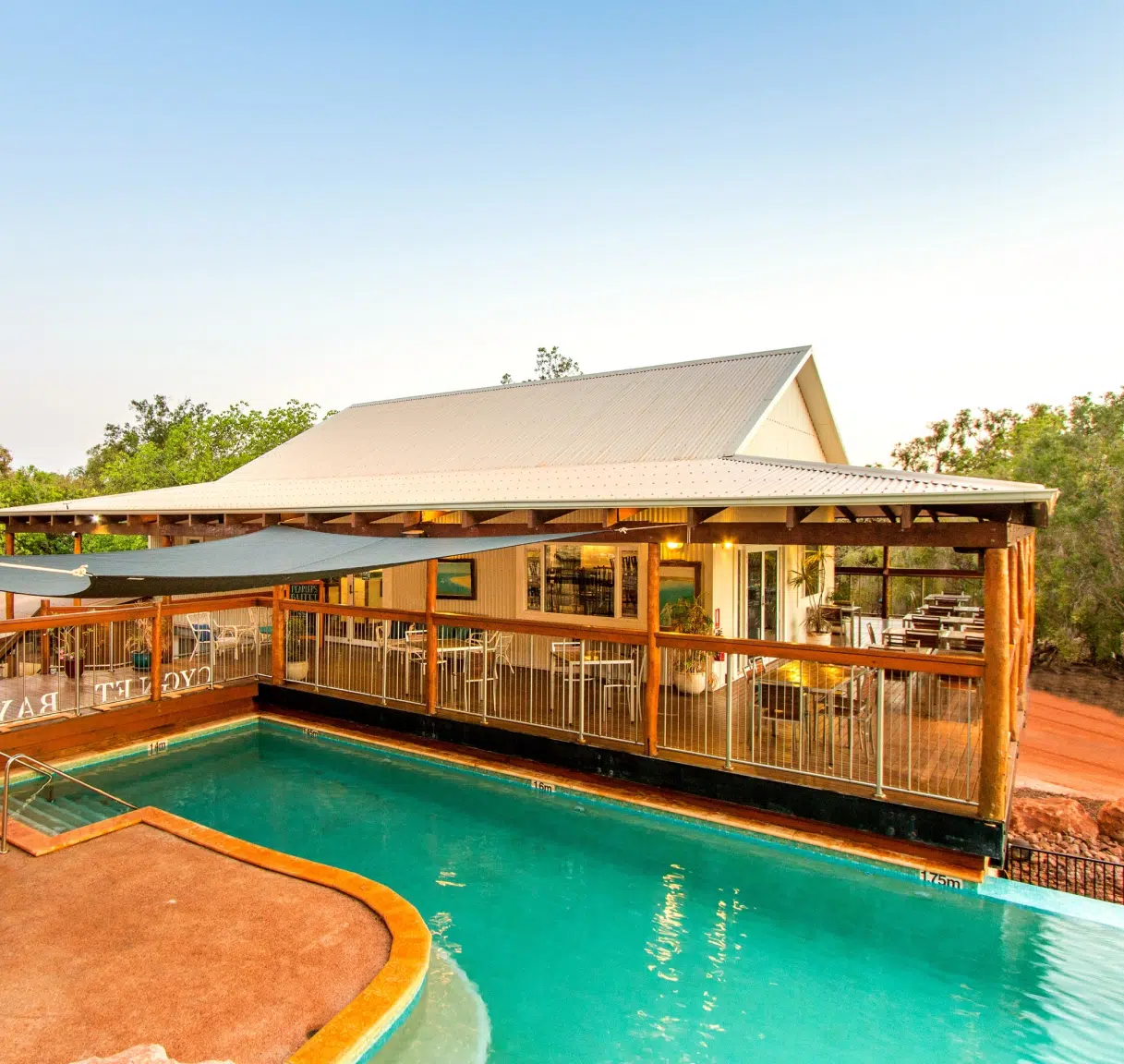
South Sea pearls comes from the warm, tropical waters of northern Australia, Indonesia, the Philippines, and French Polynesia. Here at Cygnet Bay Pearl Farm, located just over 200km north of Broome on the Kimberley coast, we cultivate some of the world’s finest Australian South Sea pearls, that are globally recognised for their exceptional quality and lustre.
Black-lip or Tahitian pearls are synonymous with French Polynesia but also grow in several other tropical regions including parts of Australia, Papua New Guinea and Indonesia.
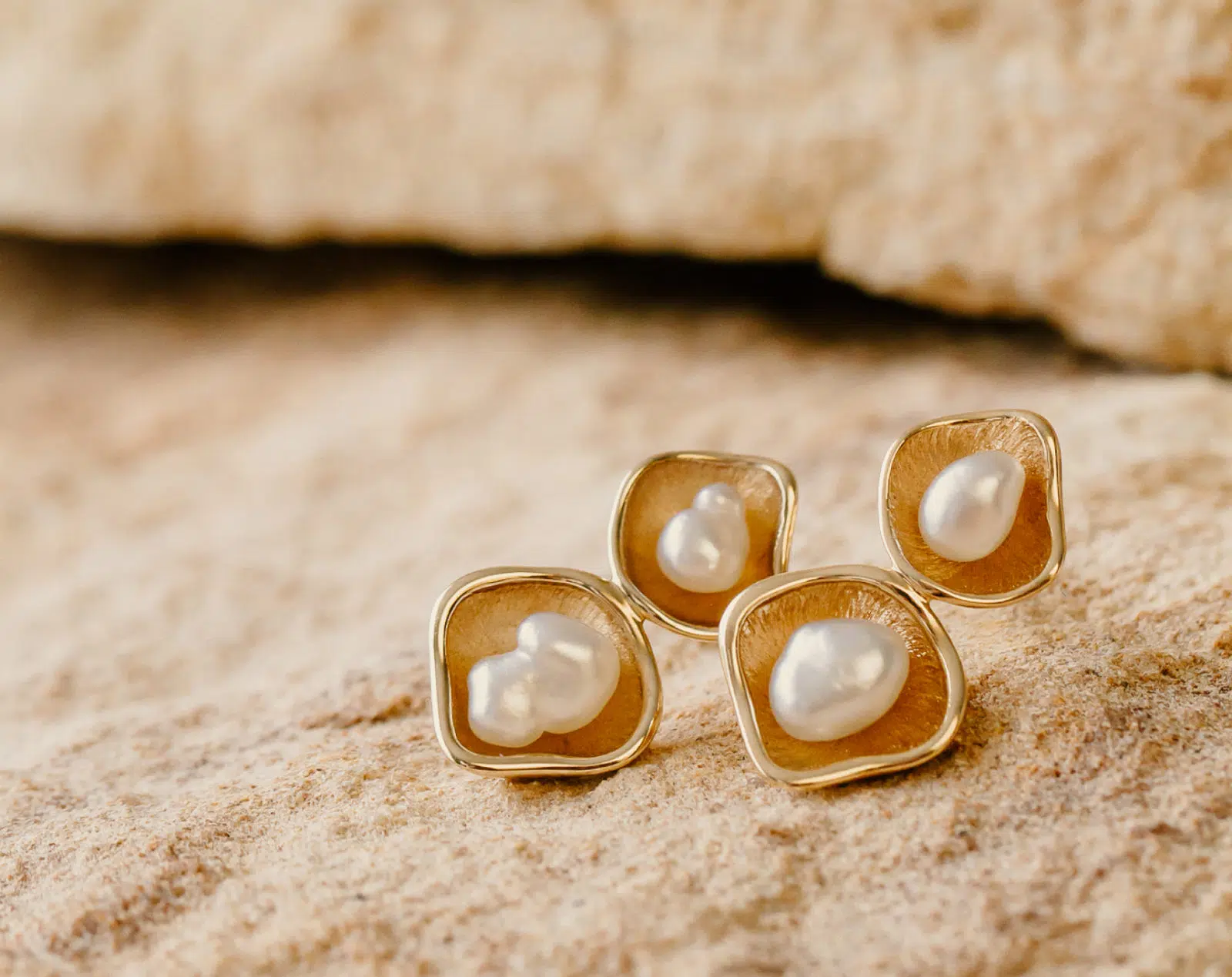
Keshi pearls, seedless and rare, are natural by-products of cultured pearl farming, found in many pearl-growing regions and prized for their often incredible lustre and unique shapes.
Freshwater pearls are mostly produced in China but historically grew wild in rivers and lakes worldwide before environmental pressures limited their habitats.
What Colours Do Pearls Come In?
The colour of a pearl depends on the species of oyster and its environment.
Pinctada maxima, the pearl shell that we farm at Cygnet Bay, produces the highly prized South Sea pearls. Their colours range from whites, creams and sometimes golds.
Pinctada margaritifera, also known as the black-lip osyer, creates the famous black or Tahitian pearls, in shades of grey, blue, and sometimes reddish tones.
Pinctada fucata, also known as Akoya pearls are mainly cultured in Japan, China, Vietnam, as well as at our sister farm at Broken Bay Pearl Farm. They come in an array of tones that range from blue, silver, white, cream, gold, and pink.
Freshwater pearls, mostly produced in China, vary widely in colour from white to peach, pink, blue, green and are more often dyed to achieve vivid shades with a uniform colour across the surface of the pearl.
Pearl colour is influenced not just by the pearl shell, but also by the structure of the pearl’s nacre and thickness of the nacre. Overtones such as green or pink can enhance the base colour’s natural beauty. Exceptional pearls can display a rainbow-like effect, called peacock in Tahitian pearls.
What Shapes & Sizes Do South Sea Pearls Come In?
Pearls come in a wide variety of shapes and sizes, influenced by the species of the pearl shell and the conditions of their environment.
Our Cygnet Bay pearl shell enjoy the nutrient-rich waters of the world’s largest tropical tidal movement. This natural abundance is like having an all you can eat buffet for our pearl shell, supporting healthy growth and lustrous South Sea pearls.
South Sea pearl shapes include:
- Circle
- Baroque
- Button
- Drop
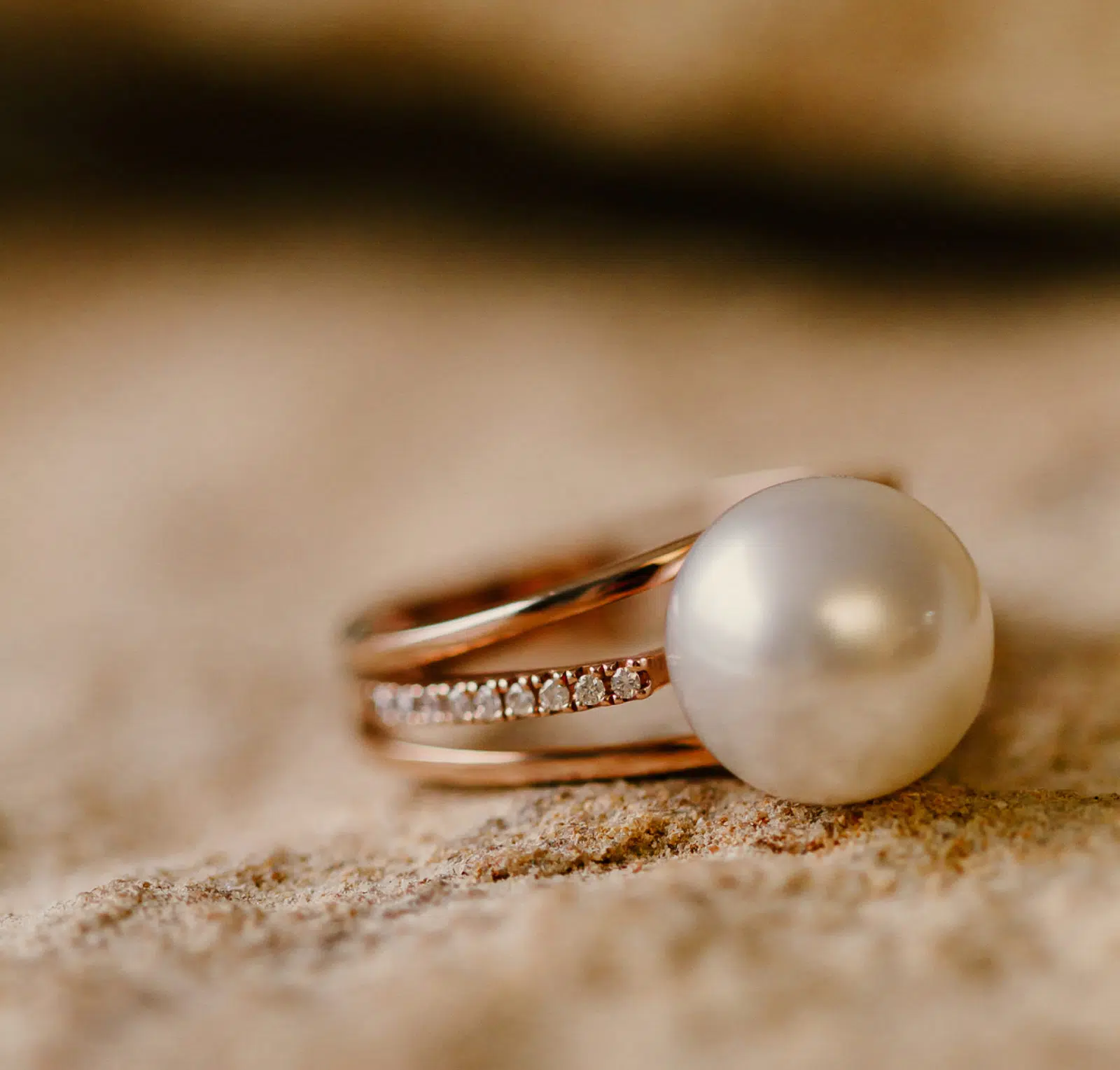
- Round
Pearls under 1 millimetre are called seed pearls and are typically not seen in South Sea pearls. Typically, South Sea pearls range from 8 to 20mm. The largest gem quality Australian South Sea pearl ever harvested – measuring at 22.4mm – was discovered at Cygnet Bay and is proudly displayed at our Broome Showroom.
How Are South Sea Pearls Graded?
Pearls don’t have a universal grading system like other gemstones, but most organisations use similar criteria:
- Shape
- Size
- Colour
- Lustre
- Surface Quality
- Nacre Thickness
Here at Cygnet Bay, and at our Pearls of Australia Perth Studio, we use a grading scale ranging from B2 (lowest quality) to A1 (highest quality).
Lustre and surface quality are often combined to reflect the overall pearl quality, as size, colour and shape can be more subjective preferences. Advanced techniques such as X-ray or drill-hole examination help measure nacre thickness, a key factor for durability.
If you’re curious about our pearl grading system, we’ve created detailed resources to explain the process.
How to Learn More About Pearls
We hope this gives you a deeper understanding and appreciation for the incredible journey each of our pearls takes. Pearl farming is a blend of patience, skill, and a love for our environment – something the entire team here at Cygnet Bay is deeply proud to be part of.
If you have any questions about pearl jewellery or loose pearls, please don’t hesitate to book a complimentary consultation with one of our pearl consultants. We’re here to help you discover the perfect pearl story for you.